


The Thrill of Chance
Casino games have an inherent allure that draws players in, primarily due to the thrill of chance. The excitement of not knowing whether one will win or lose creates an adrenaline rush, stimulating the brain’s reward system. This uncertainty can lead to heightened emotions, making players feel alive and engaged. Additionally, many enthusiasts enjoy various forms of entertainment, including online casino games, which add a modern twist to traditional gambling. The anticipation of a potential win can trigger a release of dopamine, a neurotransmitter associated with pleasure and reward, further enhancing the gaming experience.

This unpredictability is a key factor in why players return to casinos. Even the possibility of a big payout can be enough to keep individuals coming back for more. The excitement of the game coupled with the chance of winning money creates a unique combination that captivates many. This psychological engagement is often what keeps players at the tables or in front of the slot machines for extended periods.
The Social Aspect of Gambling
Another significant draw of casino games is the social interaction they provide. Many individuals enjoy the communal atmosphere of casinos, where they can engage with other players and share in the excitement. The sounds of the games, the cheers of winners, and the overall environment contribute to a sense of camaraderie among players. This social dynamic can enhance the overall experience, making it more enjoyable and rewarding.
Moreover, playing with friends or family members can add to the fun and excitement of casino games. This shared experience can create lasting memories, encouraging players to continue participating in gambling activities. The ability to celebrate wins together or console each other during losses strengthens social bonds, making the experience even more appealing.
The Illusion of Control
One of the psychological phenomena that makes casino games particularly captivating is the illusion of control. Players often believe that they can influence the outcome of the games, whether through their skill, strategies, or betting patterns. This false sense of empowerment can lead to prolonged gaming sessions, as players feel that they may be able to turn their luck around at any moment.
This illusion is especially prevalent in skill-based games such as poker or blackjack, where players think that their decisions directly impact the outcome. Even in purely chance-based games like slots, players may engage in rituals or strategies that they believe will improve their odds. This belief can be incredibly compelling, keeping players engaged even when the odds are not in their favor.
The Role of Reward Systems
The brain’s reward systems play a crucial role in the appeal of casino games. Winning can create a powerful rush that reinforces the behavior, leading to repeated play. This mechanism can be particularly potent in environments designed to maximize engagement, such as casinos, where lights, sounds, and promotions are tailored to encourage continued participation.
Additionally, the concept of near misses—where players come close to winning but ultimately lose—can also contribute to compulsive gambling behaviors. These experiences can be more motivating than outright wins, triggering a desire to continue playing in hopes of achieving that elusive victory. Knowing that they were close can keep players invested, leading to a cycle of continued play and the hope of future success.
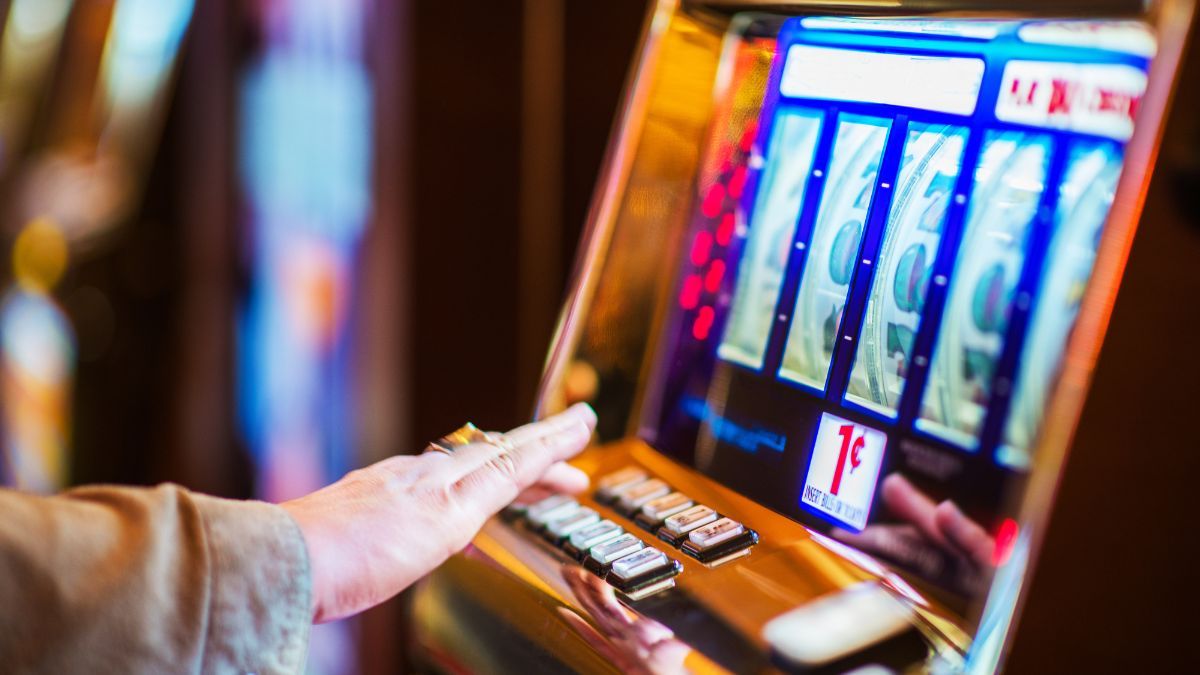
Safe Gaming and Responsible Play
As the allure of casino games continues to draw in players, it is essential to promote safe gaming practices. Many platforms prioritize user safety and employ advanced security measures to protect players from online threats. Ensuring a secure environment is crucial for a positive gambling experience, helping to alleviate fears and concerns about safety.
Moreover, responsible gaming initiatives aim to educate players about the risks associated with gambling. Many organizations encourage players to set limits on their spending and recognize the signs of gambling addiction. By fostering a culture of awareness and responsibility, players can enjoy the thrill of casino games while minimizing potential negative impacts on their lives.